Arden Vineyard follows the tag line of “the land must eat too” and that we should be leaving the vineyard more alive each year than we found it.
Brand Expression
Product Development
Brand Identity
Sustainability
Project Lead
Sole Designer
Illustrator
2025
Arden Vineyard began with a journey.
Lena’s grandparents, Ingrid and Matthias Bauer, left their home in Germany’s Rheingau region in the late 1960s with a simple belief: the land gives its best when it is treated with respect. When they found a small hillside parcel in Napa Valley that reminded them of the meadows back home, they built both a life and a vineyard from the ground up.
They farmed the way their parents had taught them — grass under the vines, sheep in the rows, and a deep commitment to letting nature do the quiet work. They kept notebooks filled with sketches, soil notes, and a recurring phrase: “The land must eat, too.”
Decades later, their granddaughter Lena inherited Arden Vineyard. Instead of modernizing away from tradition, she returned to it. She studied their old journals and recognized that their instincts matched what we now call regenerative viticulture — farming that builds life in the soil, restores biodiversity, and respects natural balance.
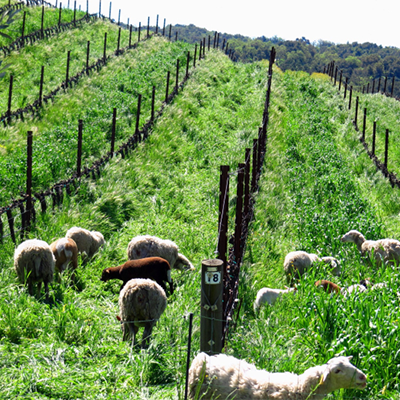
Today, Arden Vineyard is grown through regenerative, grass-based viticulture, with permanent ground cover and a flock of sheep who graze the vineyard through the seasons. They aerate the soil, encourage microbial life, and maintain the meadows that define Arden’s character.
The sheep became more than part of the ecosystem — they became the symbol of it. That is why they appear on every Arden label: a tribute to the gentle stewards who shaped the land long before machines ever could.
Arden Vineyard stands for heritage carried forward, land cared for with intention, and wines that reflect a living, breathing landscape. A place where Old World wisdom meets modern sustainability — and where every bottle tells the story of soil, stewardship, and family.
At Arden Vineyard, regenerative viticulture is not a trend — it is a continuation of the land-first values passed down from our German grandparents.
We farm with one intention: to leave the vineyard more alive each year than we found it.
At Arden Vineyard, our mission is to craft expressive wines through regenerative, grass-based viticulture that restores the land, honors our family’s German heritage, and nurtures a living vineyard for generations to come.
We envision a future where the vineyard thrives as an ecosystem — where healthy soils, diverse life, and thoughtful stewardship create wines of purity, elegance, and enduring character. Arden Vineyard will stand as a model of luxurious, land forward winemaking that elevates sustainability into a legacy.



We build vibrant soils through compost, cover crops,and minimal disturbance. Healthy earth is the quiet foundation of expressive wines.
Our flock grazes the vineyard, native plants return to the rows, and beneficial species thrive. Every element is meant to support balance.
By nurturing organic matter, our soils pull carbon deep underground — turning the vineyard itself into part of the climate solution.
Living soils hold water more gracefully, reducing stress in drought years and allowing the vines to grow with calm resilience.
Regenerative vines produce fruit with clarity, depth, and a truer expression of place.
Stronger vines, healthier soils, and a landscape built to last for generations.
Our guests and collectors value authenticity. Regeneration is not just our method — it is our promise.
Our flock does what machinery cannot.
They graze, aerate, fertilize, and nurture in a quiet rhythm that restores the vineyard floor.
This partnership reduces emissions, improves soil health, and reminds us that vineyards thrive when nature leads.
Regenerative viticulture is a farming philosophy focused on reviving soil health, increasing biodiversity, and supporting, resilient ecosystems in the vineyard.
Rather than simply avoiding harm, it actively improves the land year after year.

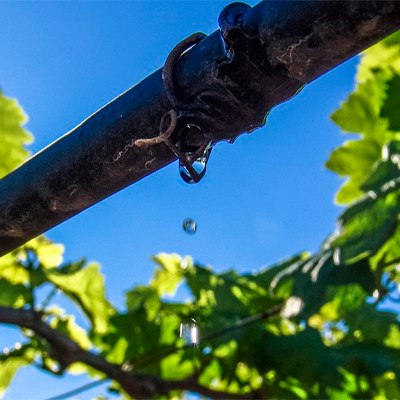


Build soil structure and fertility through; compost, minimal tilling, and cover crops that protect and feed the earth.
Encouraging a balanced ecosystem through; sheep or livestock to graze, native plants and wildflower corridors, and beneficial insects for the natural predators.
Healthy soils pull carbon from the atmosphere and store it underground - turning the vineyard into a natural climate solution.
Improving soil organic matter increases water-holding capacity, reducing irrigation needs and protecting vines in drought years.
Producing better grapes can produce deeper flavors, increase the natural balance, and bring a more expressive terroir.
Improving the vineyards resilience returns stronger wines, less erosions, and improved drought tolerance.
These regenerative practices reduce emissions, build habitats, and restore the natural cycle of the land.
Consumers are valuing the transparency, purpose and meaningful stewardship when it comes to food.

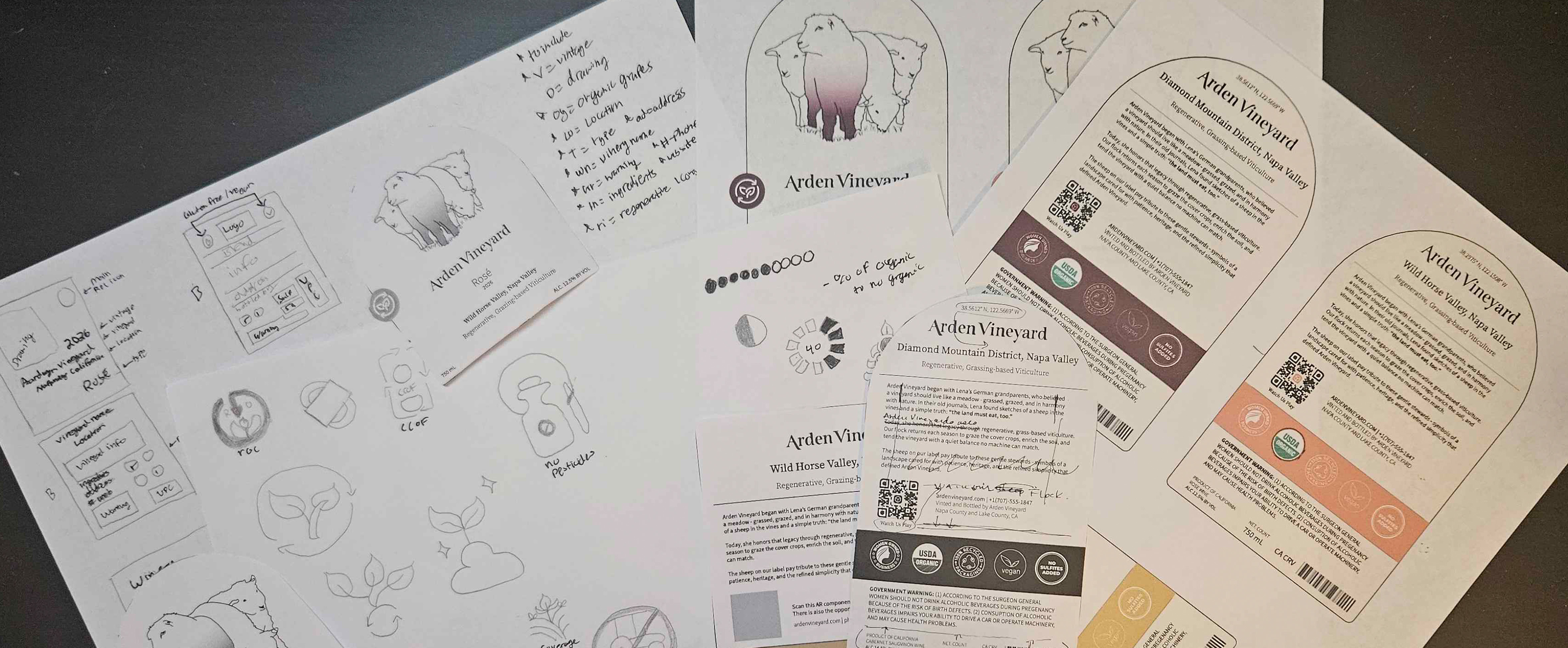
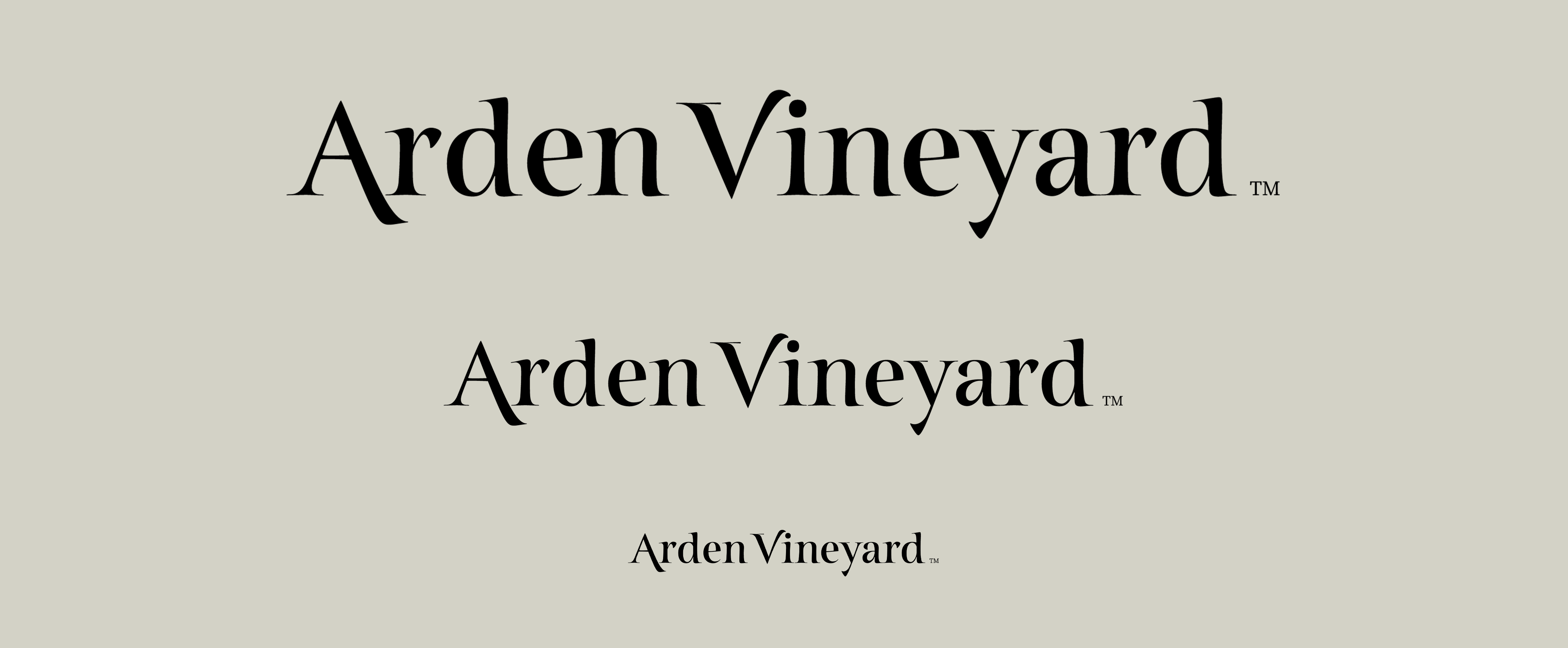
The Arden Vineyard logo relies solely on the Turquoise typeface to express a sense of restrained luxury and unwavering confidence. By using typography alone—without symbols or embellishment—the brand signals clarity of purpose, a reverence for craftsmanship, and a modern interpretation of its heritage. The typographic mark mirrors the estate’s philosophy: nothing added, nothing excessive, only what is essential and impeccably made.
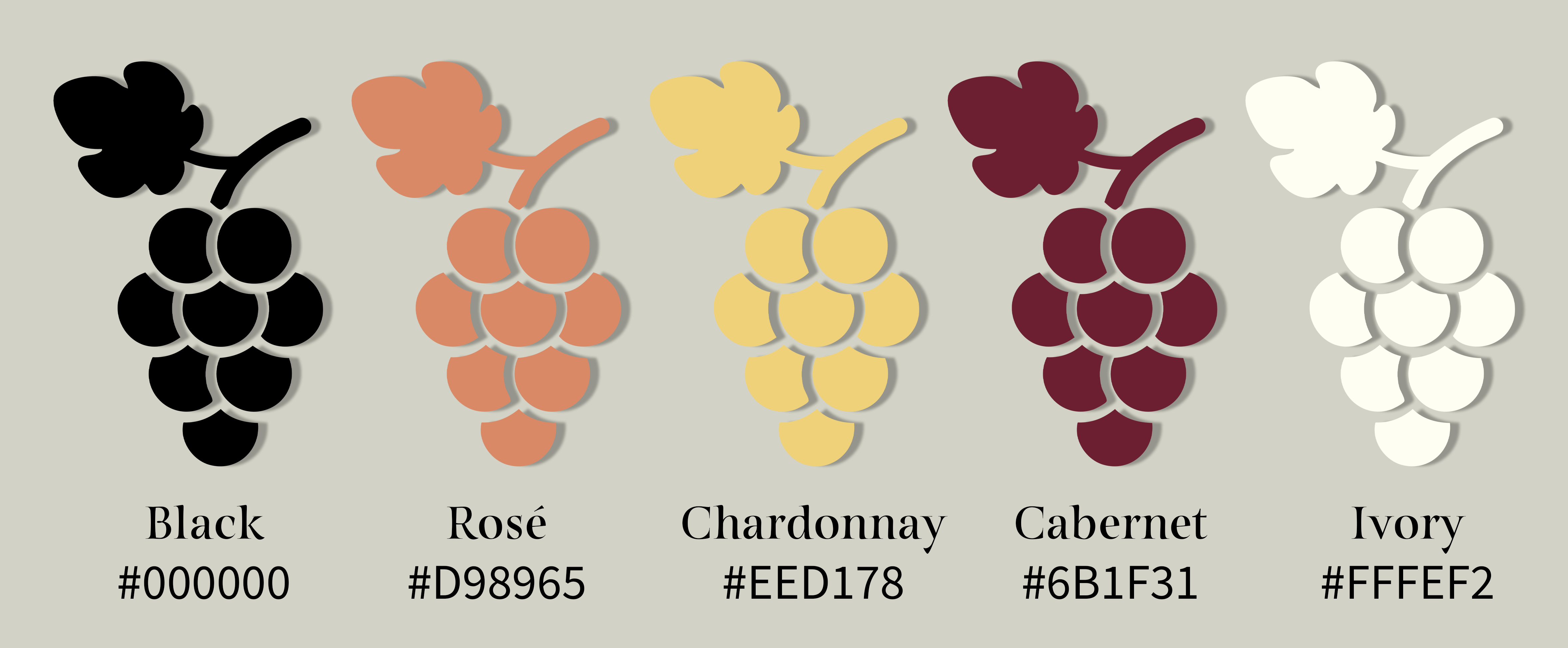
Arden Vineyard’s color palette was inspired by the landscape and regenerative philosophy that define the estate, drawing from living soil, native grasses, volcanic terrain, and the evolving tones of the vineyard throughout the seasons. Grounded earth hues, soft neutrals, vineyard greens, and deep wine-inspired colors create a sense of understated luxury rooted in authenticity and connection to the land. Accent tones are intentionally tied to each wine and sheep within the portfolio—warm gold for Alwin and the Chardonnay, soft blush for Helene and the Rosé, and deep garnet for Wilhelm and the Cabernet Sauvignon—forming a refined visual system that balances heritage, regeneration, and modern elegance through natural restraint.
Turquoise from Darden Studio was chosen as the primary brand typeface because its refined, sculpted forms embody the balance of heritage and modernity that defines Arden Vineyard, echoing both the estate’s German lineage and its contemporary commitment to regenerative viticulture. Source Sans Variable and Source Serif Variable were added as secondary typefaces to provide a clean, versatile system for extended storytelling—pairing Turquoise’s quiet luxury with highly readable, flexible typography for digital, print, and technical communications. Together, the three typefaces create a cohesive hierarchy that supports elegance at the brand’s core while ensuring clarity, scalability, and functional excellence across all touch points.
Each sheep variant appears on a different profile image to clearly distinguish the personality and story of each wine in the portfolio. Alwin, Helene, and Wilhelm serve as visual anchors for Chardonnay, Rosé, and Cabernet Sauvignon, allowing followers to immediately recognize which varietal a post represents. This segmentation strengthens brand recall, reinforces the narrative that each wine has its own character and guardian, and creates a consistent, elegant system across social channels while maintaining the unified identity of Arden Vineyard.


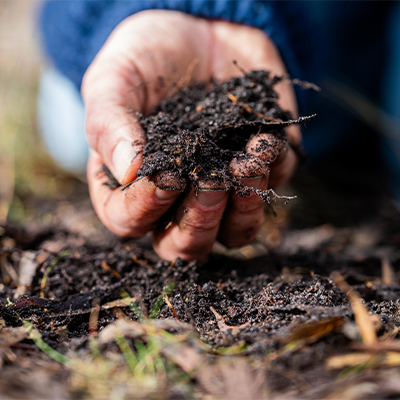
These visuals collectively express a brand grounded in ecological stewardship, viticultural precision, and authentic human craftsmanship. Sheep signal biodiversity and natural vineyard management, reinforcing a commitment tofarming in balance with the land. Grapes highlight varietal purity and the direct connection between fruit quality and terroir. Regenerative farming imagery communicates a forward-leaning philosophy that restores and enhances theecosystem rather than simply sustaining it. Hands holding soil anchor the brand in a tactile relationship with the earth, emphasizing that true wine quality begins with the people who nurture the land itself. Together, these elements present a cohesive narrative of responsibility, transparency, and place-driven excellence.



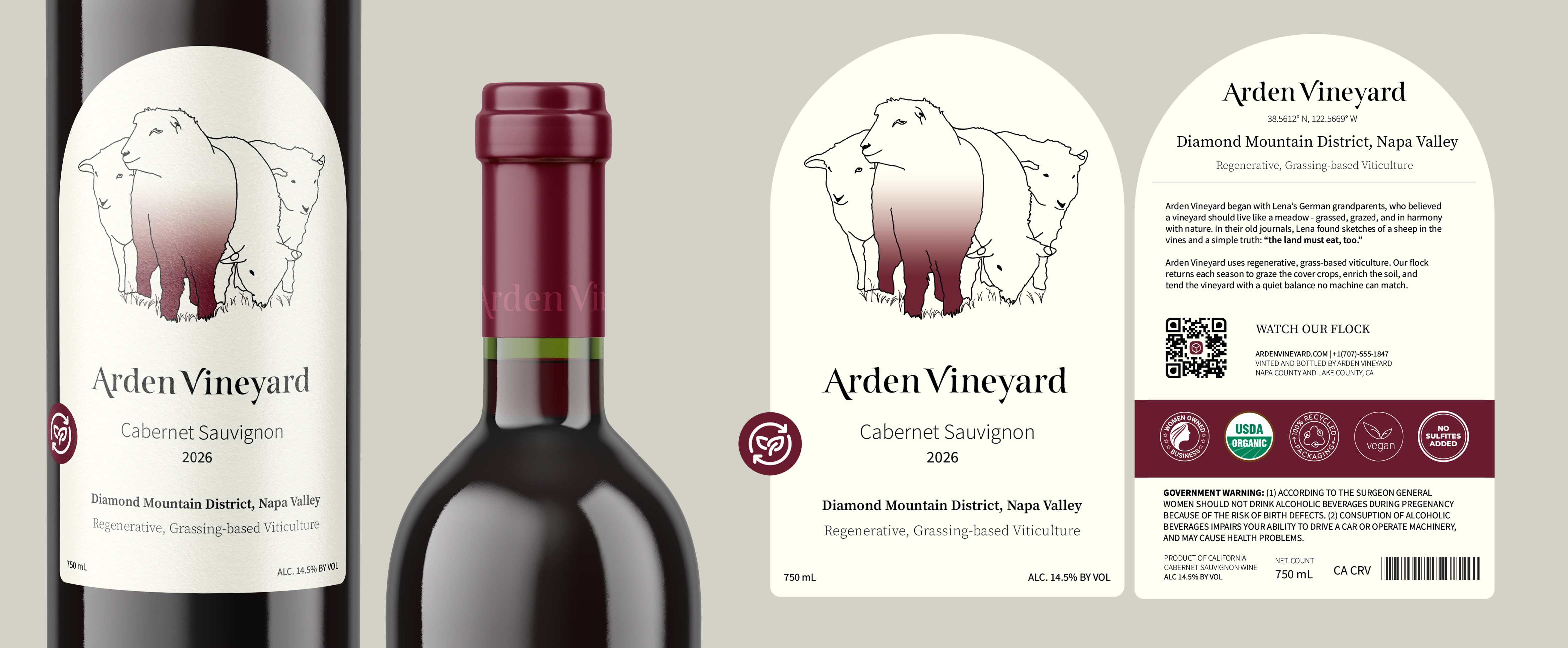
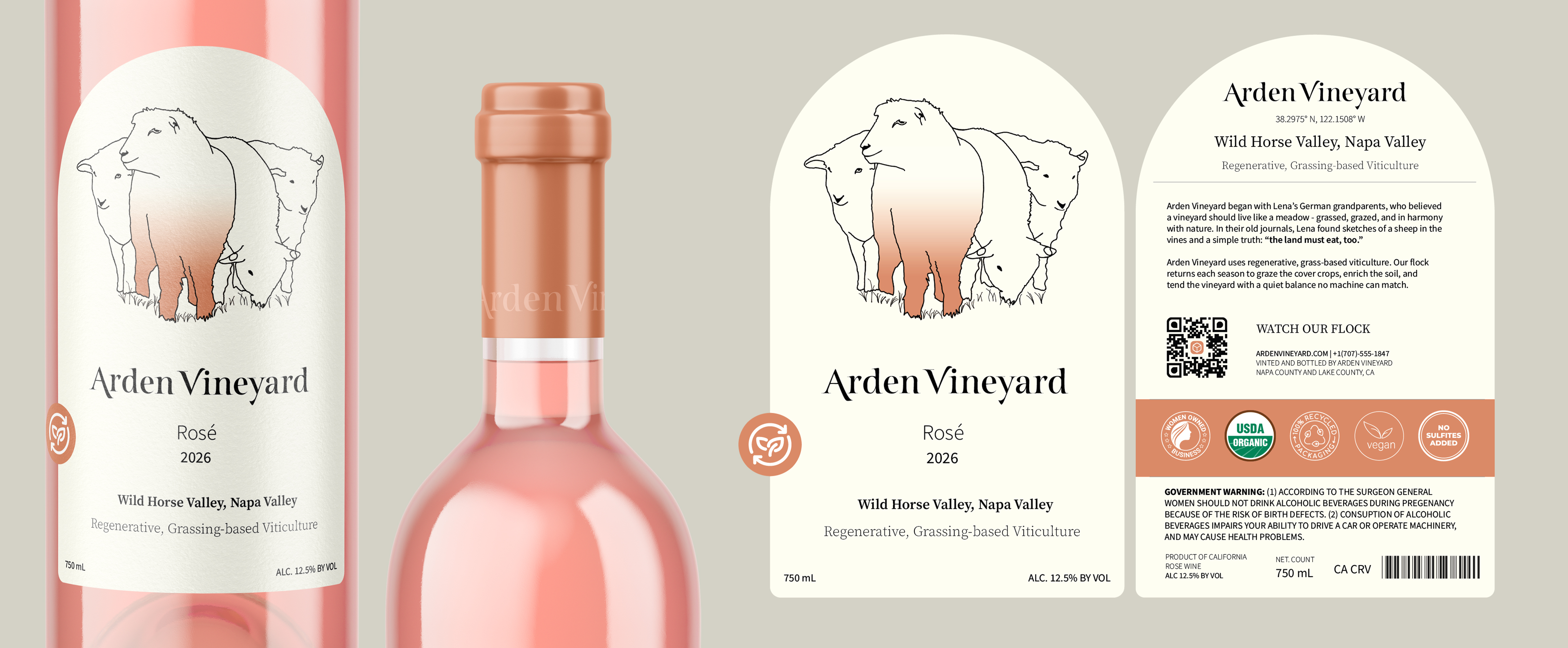
The sheep on our label pay tribute to these gentle stewards - symbols of a landscape cared for with patience, heritage, and the refined simplicity that defined Arden Vineyard.
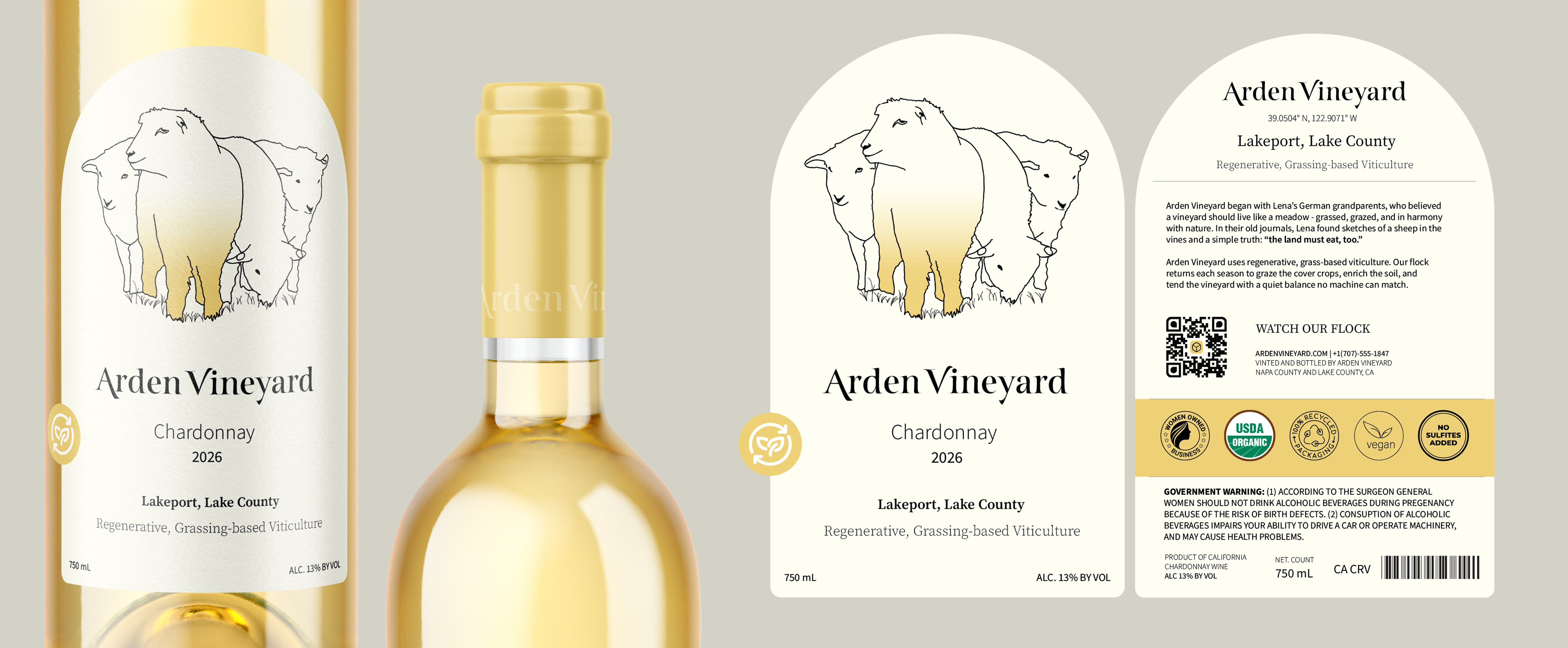
Each wine at Arden Vineyard is guided by one member of our flock. Only that sheep is colored on the label — a quiet mark of authorship. The hue reflects the wine itself, allowing the shepherd of each varietal to stand out with subtle elegance. It’s our way of honoring the animal whose presence shaped the vineyard block where that wine was born.



Arden Vineyard’s icon set was designed to visually reinforce the brand’s regenerative philosophy and refined, land-driven identity through a system of minimal, intentional symbolism. Inspired by vineyard ecology, sheep grazing, soil health, biodiversity, and traditional winemaking practices, each icon uses clean, understated forms that align with the brand’s quiet luxury aesthetic. The simplicity of the linework allows the icons to function seamlessly across packaging, presentations, social media, and educational materials while maintaining clarity and sophistication. Together, the icon set creates a cohesive visual language that supports storytelling, strengthens brand recognition, and communicates Arden’s commitment to craftsmanship, transparency, and regenerative stewardship.

Helene moves lightly through the vineyard’s spring growth, her gentle grazing shaping the season’s first tender shoots. She embodies grace — and so does this Rosé. Crafted from Pinot Noir picked at dawn, the wine reflects her soft presence: luminous, delicate, and quietly expressive.
Aroma: Wild strawberry, rosewater, watermelon rind, white tea
Alwin, our “noble friend,” grazes the morning-lit blocks where the Chardonnay grows. His quiet presence nurtures the living soils that give this wine its purity and poise. As he moves through the rows, the vineyard floor breathes easier, and the vines respond with calm, balanced fruit — the essence of Arden’s regenerative craft.
Aroma: Meyer lemon, white peach, chamomile, fresh pear skin.
Wilhelm stands watch over the estate’s oldest Cabernet blocks — strong, steady, and unhurried. His presence mirrors the wine grown in his fields: structured, grounded, and enduring. As he grazes and enriches the soil, the vines deepen their roots, producing fruit of unmistakable strength and quiet luxury.
Aroma: Black current, cassis, graphite, tobacco leaf, ceader.